
2026-10-10 · Robert "Rob" Sanchez
How to Replace Your HVAC Filter for Sacramento Air Quality Days
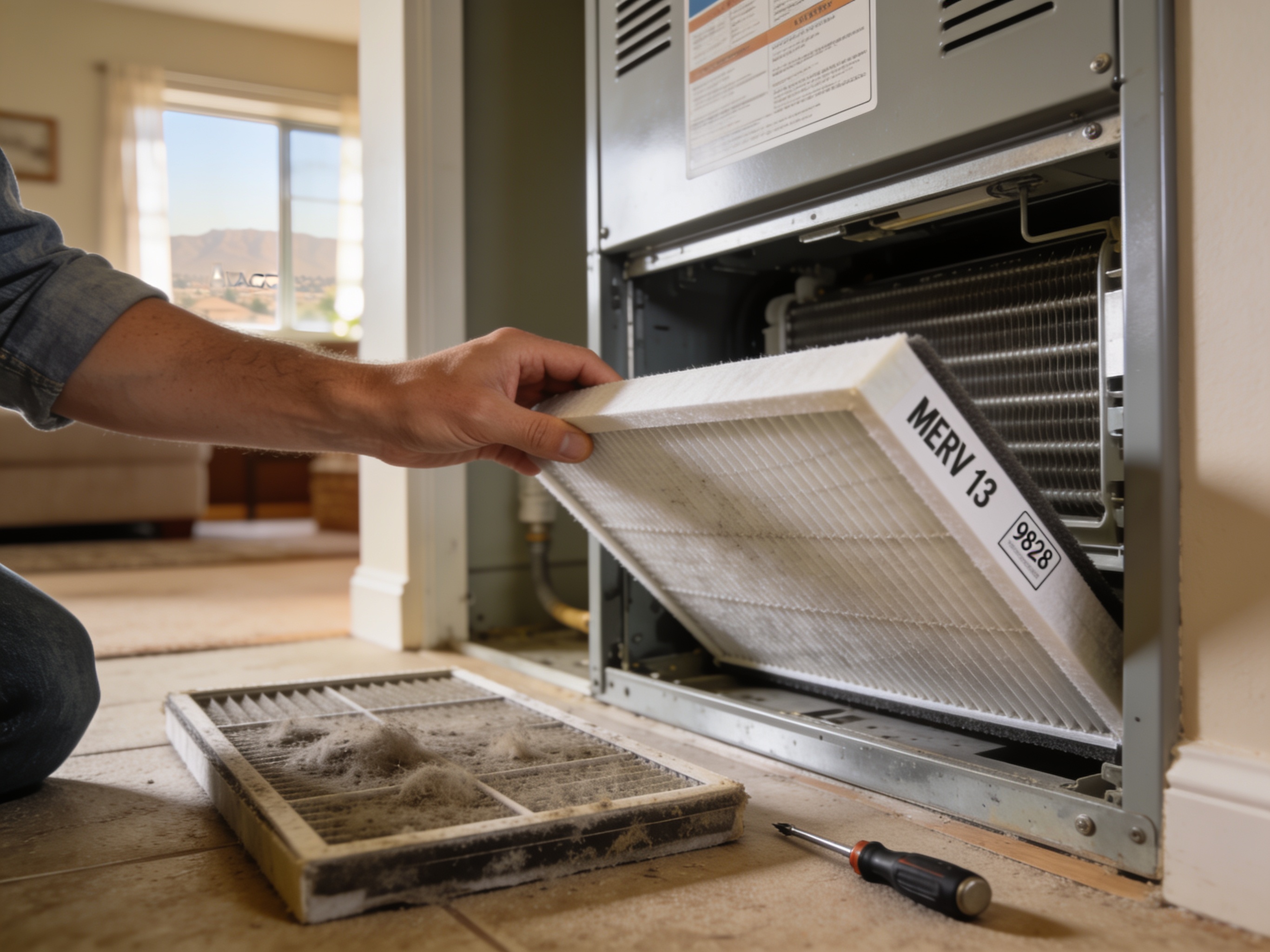
For Sacramento residents, replacing your HVAC filter every 1–3 months is a good general guideline, but during periods of poor air quality, such as wildfire season or high pollen counts, you should check and potentially replace it every 3–4 weeks. Our region, particularly areas like Florin and Parkway, experiences distinct seasonal air quality fluctuations that demand more frequent filter changes than many other parts of the country. Ignoring these local conditions can lead to reduced system efficiency, higher energy bills, and a significant decrease in your home's indoor air quality, which is especially important for homes built closer to busy thoroughfares like Florin Road where particulate matter can be higher. Proactive filter maintenance is your first line of defense against airborne pollutants common in the Sacramento 95828 area.
Understanding Sacramento's Air Quality Challenges
Sacramento's air quality is influenced by several factors unique to our valley. The Central Valley's topography often traps pollutants, leading to higher concentrations, particularly during stagnant weather patterns. Summer brings the risk of wildfires from the Sierra Nevada foothills, sending smoke and fine particulate matter across our neighborhoods, including South Sacramento and Elder Creek. Winter inversions can trap vehicle emissions and wood smoke closer to the ground. Beyond these acute events, everyday urban pollution from traffic on major routes like Highway 99 contributes to a baseline level of airborne irritants. These conditions mean your HVAC system works harder to filter the air, making filter type and replacement frequency critical. A good filter not only protects your family but also extends the life of your HVAC unit by preventing dust and debris from accumulating on critical components.
Choosing the Right Filter for Sacramento Homes
Selecting the appropriate HVAC filter is more than just grabbing the cheapest option off the shelf. In Sacramento, where we battle everything from agricultural dust to wildfire smoke, a higher-efficiency filter is often a wise investment. Look for filters with a MERV (Minimum Efficiency Reporting Value) rating between 8 and 13. A MERV 8 filter offers a good balance of airflow and filtration, capturing pollen, dust mites, and mold spores. For enhanced protection against finer particles, including some smoke and smog, a MERV 11 or 13 filter is recommended. However, be aware that higher MERV ratings can restrict airflow if your system isn't designed for it, potentially stressing your HVAC unit. It's always best to consult with a professional if you're considering a significant MERV upgrade, as incompatible filters can sometimes lead to issues like an AC not cooling effectively. Avoid filters below MERV 6, as they offer minimal protection against the common pollutants in our Sacramento air.
Step-by-Step Guide to Replacing Your HVAC Filter
Replacing your HVAC filter is a straightforward task, but it’s one that many homeowners in neighborhoods like Lemon Hill and Fruitridge overlook. Here’s how to do it correctly:
- Turn off your HVAC system: Locate your thermostat and switch the system to the "off" position. This is a crucial safety step to prevent the fan from turning on while you're working.
- Locate the filter slot: Most residential HVAC systems have the filter located either in the return air duct, often in a wall or ceiling, or directly at the air handler unit in your attic, garage, or utility closet. The filter slot is usually a thin, rectangular opening.
- Note the filter size and airflow direction: Before removing the old filter, make a note of its dimensions (e.g., 20x25x1 inches), which are usually printed on the frame. Also, observe the arrow on the filter frame, which indicates the direction of airflow. Your new filter must be installed with the arrow pointing in the same direction, typically towards the furnace or air handler.
- Remove the old filter: Slide out the dirty filter. You'll likely be surprised by the amount of dust and debris it has captured, especially if it's been a while since your last change. This visual alone often motivates homeowners to stick to a regular schedule.
- Insert the new filter: Slide the new filter into the slot, ensuring the airfl
When to Replace Your Filter: Beyond the Calendar
While a 1–3 month schedule is a good baseline, several factors specific to Sacramento 95828 can necessitate more frequent changes:
- Wildfire Smoke: During periods of wildfire smoke, which unfortunately are becoming more common in our area, inspect your filter weekly. The fine particulate matter from smoke can quickly clog filters, and a dirty filter won't effectively remove these harmful particles. Consider changing it every 2–4 weeks during active smoke events.
- High Pollen Counts: Sacramento's lush environment, from our many parks to residential landscaping, means high pollen counts, especially in spring and early summer. If you or family members suffer from allergies, check your filter monthly.
- Pets: Homes with pets generate more dander and hair, accelerating filter clogging. If you have furry friends, aim for monthly filter changes.
- Construction/Renovations: Nearby construction or home renovations can kick up significant dust. Change your filter after such projects to prevent this debris from circulating through your home.
- Visible Dirt: If your filter looks visibly dirty, regardless of how long it's been in use, it's time for a change. A dark, clogged filter is an inefficient filter. This proactive approach is part of effective HVAC maintenance and tune-up for your system.
The Benefits of Regular Filter Replacement
Consistent filter replacement offers numerous advantages for your Sacramento home and HVAC system. Firstly, it significantly improves your indoor air quality, reducing allergens, dust, and other airborne irritants that can impact respiratory health. This is particularly vital for residents in areas like the Sacramento 95828 area, where external air quality can fluctuate dramatically. Secondly, a clean filter allows your HVAC system to operate more efficiently, reducing energy consumption and lowering your utility bills. A clogged filter forces your system to work harder, leading to increased wear and tear on components and potentially shortening its lifespan. Lastly, regular changes help prevent costly breakdowns by protecting your system's internal components from dust accumulation, which can lead to issues like an HVAC system not turning on or reduced heating/cooling performance. Think of it as a small, easy step that yields big returns for your home comfort and budget.